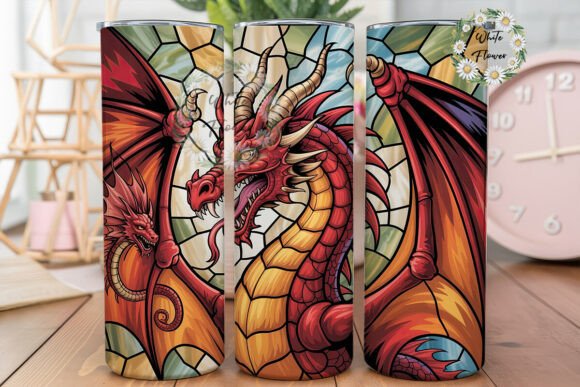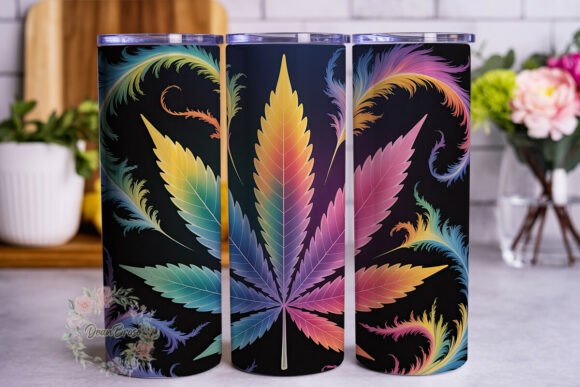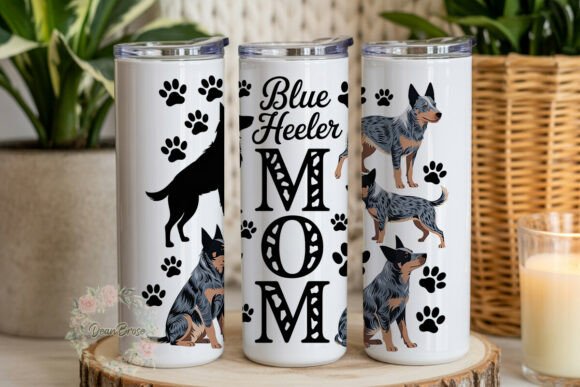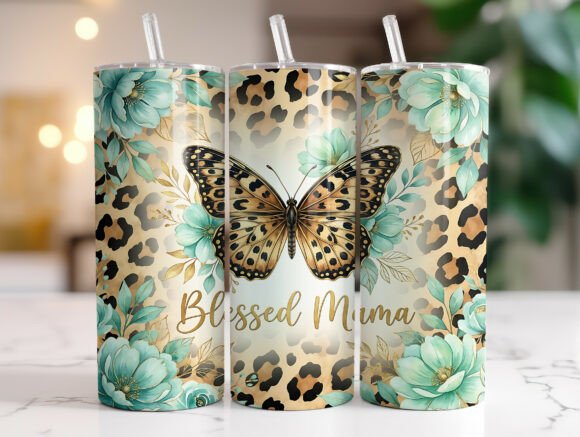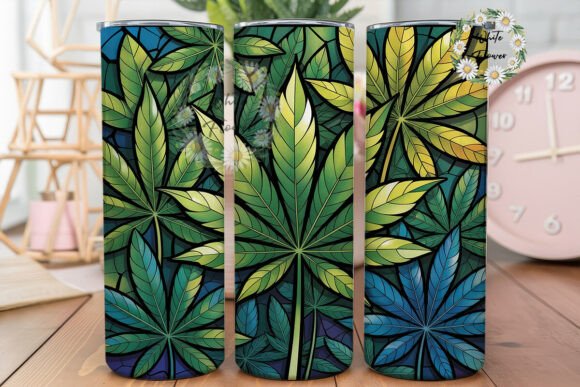
Stained Glass Green Leaf Tumbler Wrap
The Stained Glass Green Leaf Tumbler Wrap is a design that blends artistic flair with practical application. Its intricate leaf patterns and stained glass effect evoke a sense of nature-inspired elegance, making it ideal for custom tumbler wraps, but also versatile enough for other textile projects. As an embroidery designer who’s worked with countless digital files, I wanted to take a close look at how this design performs in real-world scenarios—especially when it comes to stitching, visual impact, and usability.
First Impressions: A Design That Speaks Volumes
From the moment I opened the Stained Glass Green Leaf Tumbler Wrap, I was struck by its clean, structured layout. The green leaf motifs are arranged in a way that feels both organic and intentional, with sharp lines and defined edges that lend themselves well to machine embroidery. The design isn’t seamless, which means there are clear boundaries between elements—something that could be beneficial or limiting depending on your project.
The resolution of 300 DPI ensures that the design is crisp and detailed, even when scaled up. However, since it needs to be sized to 9.3” x 8.2”, you’ll need to adjust it in your preferred image editing software before using it. This gives you flexibility but also requires attention to detail when resizing to avoid distortion.
Real-World Use: Where It Shines and Where It Falters
As someone who regularly works on custom apparel, tote bags, and small shop merchandise, I’ve tested the Stained Glass Green Leaf Tumbler Wrap on a variety of fabrics and surfaces. It works best on flat, smooth materials like cotton or polyester, where the design can be stitched cleanly without distortion. For tumbler wraps, the size and shape make it a natural fit, especially if you’re looking for a bold, eye-catching design that stands out on a drink container.
However, there are some limitations. The design isn’t ideal for small hoop sizes, as the dimensions require a larger space to stitch accurately. If you’re working on a patch or a small item, you might need to break the design into sections or consider a different file. Similarly, the design may not work well on textured or stretchy fabrics, where the stitches could get lost or distorted.
Design Performance: Stitching Clarity and Visual Appeal
When I stitched the Stained Glass Green Leaf Tumbler Wrap onto a white cotton tote bag, the results were impressive. The satin stitch and fill stitch areas held up well, creating a smooth, professional finish. The leaf shapes had clear definition, and the overall composition felt balanced and cohesive.
But there are some nuances to consider. The design has a high stitch density in certain areas, which could lead to puckering or stiffness if not stabilized properly. Using the right stabilizer is crucial, especially on thinner or more delicate fabrics. Also, the lack of seamless integration means that the edges of the design might feel slightly abrupt when stitched onto curved surfaces like caps or rounded items.
Where to Use It Carefully
The Stained Glass Green Leaf Tumbler Wrap is a strong choice for most standard embroidery projects, but there are a few situations where caution is needed:
- Small hoop sizes: The design’s dimensions may not fit comfortably in smaller hoops, requiring adjustments or multiple hooping sessions.
- Textured fabrics: On materials like denim or fleece, the design might not show as clearly due to the fabric’s surface.
- Dark fabrics: The green leaf pattern may not stand out as much on darker backgrounds, so testing on different colors is essential.
- Curved surfaces: When applied to caps or other rounded items, the design might stretch or distort slightly during stitching.
- Dense stitch areas: High-density sections could cause tension issues if not handled with proper stabilizer and thread tension settings.
Impact on Product Value and Customer Perception
As a small business owner or Etsy seller, the Stained Glass Green Leaf Tumbler Wrap offers a lot of potential. Its unique style makes it a great fit for handmade products, personalized gifts, and boutique branding. Customers often respond positively to designs that feel artistic and meaningful, and this one has that quality.
However, the design’s performance on different materials and in various applications can affect customer satisfaction. If the design doesn’t translate well to the fabric you’re using, it could lead to complaints or returns. That’s why testing on scrap fabric before committing to a full project is always a good idea.
Practical Tips for Embroidery Designers
Here are a few key tips I’ve learned from working with the Stained Glass Green Leaf Tumbler Wrap:
- Test on scrap fabric: Always test the design on the actual material you plan to use before starting a large project.
- Check thread color contrast: Ensure the thread color complements the fabric and enhances the design’s visual appeal.
- Review stitch density: High-density areas may require additional stabilizer or careful tension adjustments.
- Confirm hoop size: Make sure your hoop can accommodate the design’s dimensions without forcing it into a smaller space.
- Inspect small details: Pay attention to corners and fine lines, as they can sometimes be affected by stitching techniques.
- Use black and white mockups: These help you see how the design will look on different fabric colors and backgrounds.
- Verify licensing: Before selling finished items or digital products, confirm the design’s usage rights to avoid legal issues.
Final Thoughts: A Versatile Design with Room for Growth
The Stained Glass Green Leaf Tumbler Wrap is a solid choice for designers looking to add a touch of nature and artistry to their work. It’s well-suited for tumbler wraps, custom apparel, and small shop merchandise, but it also has limitations that should be considered based on your specific needs.
If you’re an embroidery designer, craft business owner, or handmade seller, this design offers a good balance of aesthetics and functionality. Just remember to test it thoroughly and use it in the right context to maximize its impact and ensure customer satisfaction.